
Why Most Apartment Designs Fail

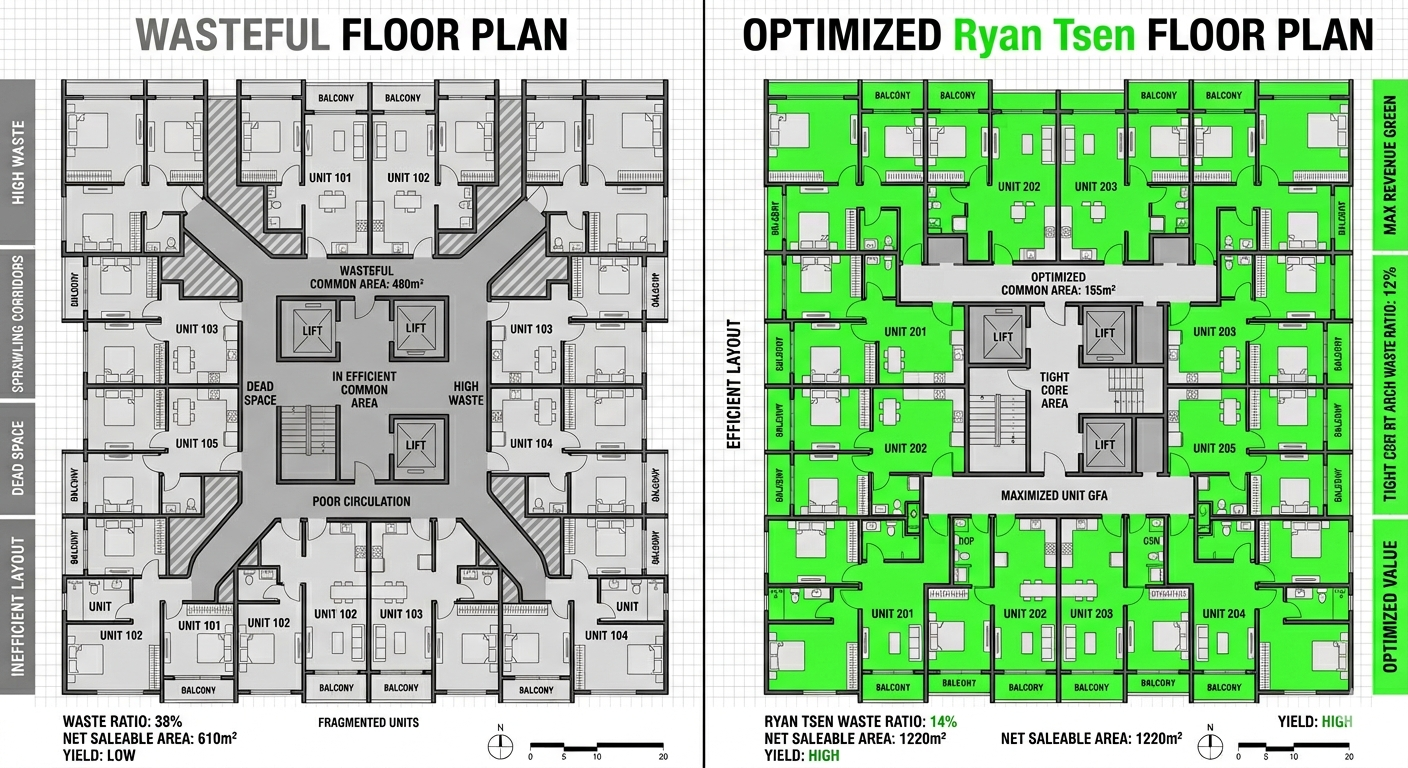
In the Perth property sector, a project doesn't usually fail because of a poor colour palette or a lack of kerb appeal. It fails because of "hidden" design inefficiencies that erode the margin between the initial development feasibility in Perth and the final construction handover. When a design is not rigorously optimised for the local market and building codes, the developer pays the price in wasted square metres, protracted approvals, and inflated build costs.
To maintain a profitable project, developers must identify and bypass the architectural traps that lead to commercial underperformance.
1. Inefficient Net Lettable Area (NLA) Ratios
The most common mistake in apartment design in Perth is a poor ratio between the Gross Floor Area (GFA) and the Net Lettable Area (NLA). Every square metre of corridor, oversized lift lobby, or redundant foyer is space that you are paying to build but cannot sell or lease.
- The Error: Architects often prioritise "grand" common areas or complex floor plate geometries that create "dead zones" in the plan.
- The Solution: As Perth architects for developers, we focus on "lean" circulation. By centralising service cores and optimising corridor lengths, we ensure the maximum percentage of the building volume is dedicated to revenue-generating apartment space.
2. Ignoring the "Buildability" of the Structural Grid
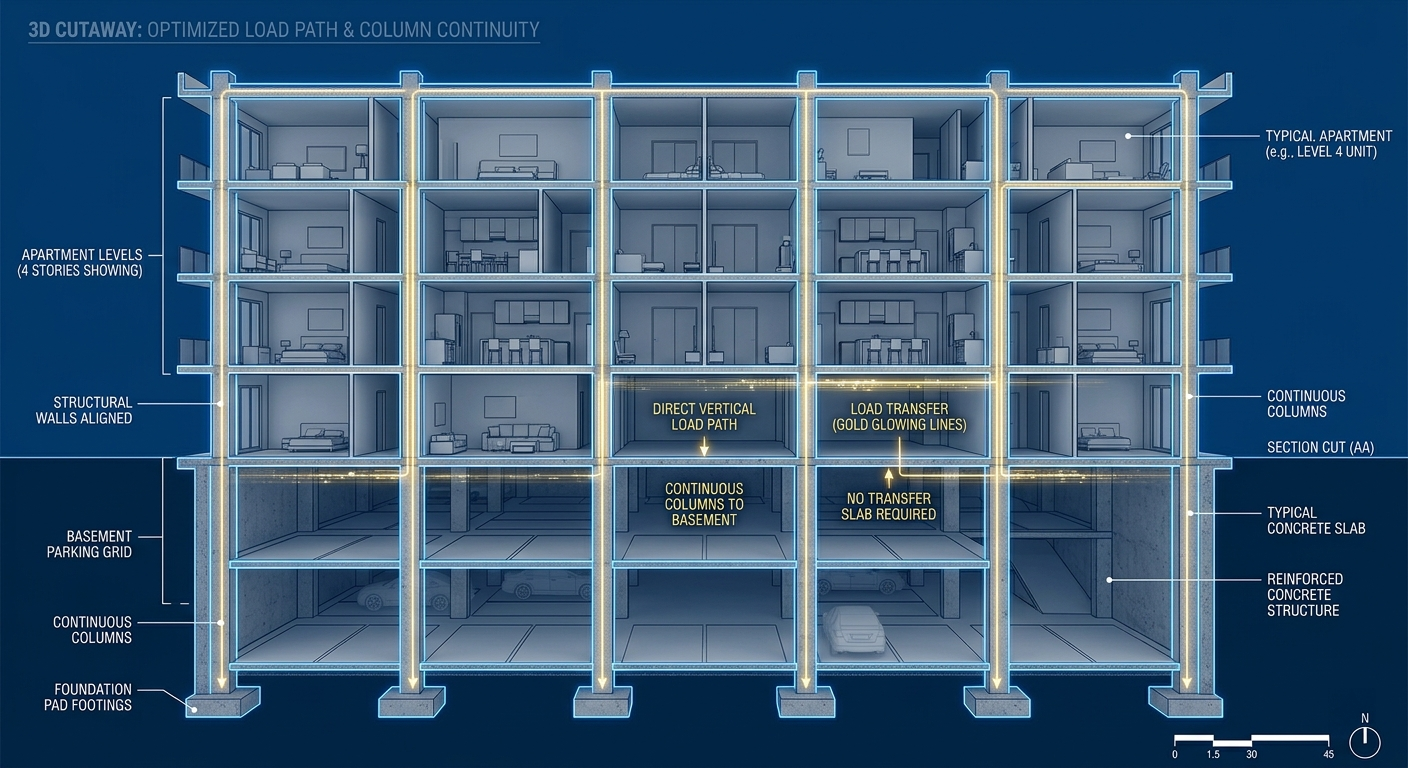
A design might look impressive on paper, but if the structural grid is inconsistent, the costs will skyrocket. One of the primary reasons projects stall during the tendering phase is that the architectural vision requires an over-engineered structural solution.
- The Error: Misalignment between the apartment walls and the basement parking grid. This leads to massive transfer slabs—thick, expensive concrete layers required to "transfer" the weight of the building to a different column layout below.
- The Architecture Fix: Efficiency starts in the basement. We design from the ground up, ensuring that the structural columns in the car park align seamlessly with the apartment partitions above. This reduces the volume of concrete and reinforcement steel required, directly protecting your ROI.
3. Mismanaging the Perth Planning Approvals Process
Many designs fail because they are "aspirational" rather than "approvable." An architect who tries to reinvent the wheel with every project often runs into a wall with local councils or the JDAP, leading to months of costly delays.
- The Error: Submitting plans that push too many "Design Principle" variations at once, or failing to account for the R-Codes’ strict overshadowing and privacy requirements.
- The Solution: Securing Perth planning approvals requires a balance of compliance and strategic negotiation. We design with the "Deemed-to-Comply" pathway as our baseline, only seeking variations where they offer a clear, defensible increase in yield or marketability. This reduces the risk of an RFI (Request for Further Information) loop that drains your holding costs.
4. Poor Internal Layouts and "Market Mismatch"
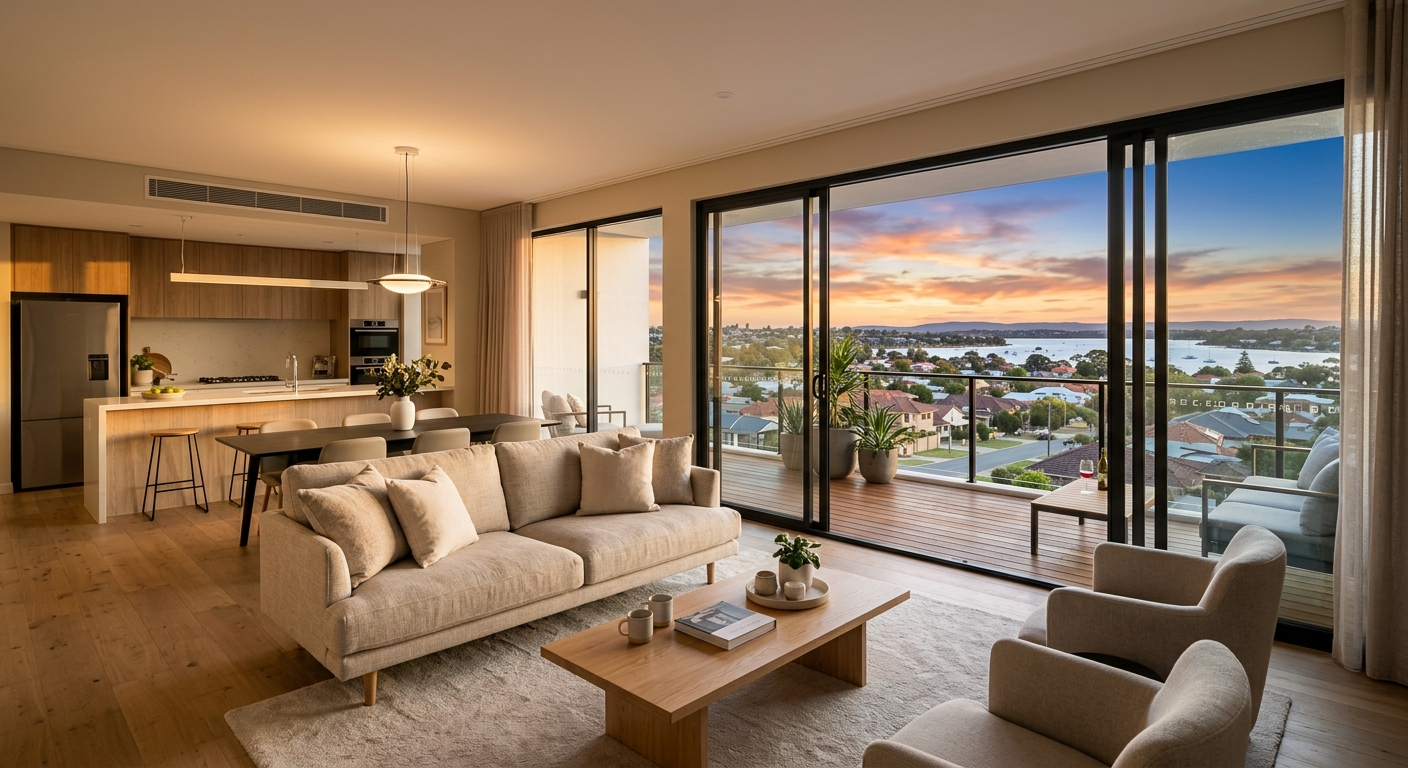
A project fails if it doesn't meet the specific demands of the Perth buyer. High-density living in WA is still evolving, and buyers are sensitive to layouts that feel "cramped" or lack functional utility.
- The Error: Designing "long and skinny" apartments with poor natural light (the "tunnel effect") or bedrooms that lack adequate ventilation. These units linger on the market, forcing price drops to clear stock.
- The Solution: We prioritise "wide-frontage" designs where possible, maximising the number of rooms with direct access to windows and balconies. By adhering to the solar access requirements of the State Planning Policy 7.3 from the outset, we create units that move quickly in the pre-sales phase.
5. Over-Specification and "Bespoke" Bloat
In a market where labour and material costs are volatile, "bespoke" is a dangerous word. Many apartment designs fail financially because the architect has specified non-standard materials or complex facade systems that are difficult to procure or install.
- The Error: Custom-made window systems, exotic cladding, or complex rooflines that add zero value to the final valuation but significantly increase the builder’s margin for risk.
- The Solution: We focus on high-impact, standardised materials. We use clever geometry and standard "off-the-shelf" products to create a premium aesthetic. This approach ensures that the project remains attractive to Tier 2 and Tier 3 builders, increasing competition during the tender process and lowering your contract price.
Conclusion: Designing for the Bottom Line
The difference between a successful Perth development and a financial headache lies in the technical rigour of the initial design. By avoiding these common pitfalls and focusing on development feasibility in Perth, you ensure that your project is built on a foundation of commercial reality.
Ryan Tsen Architect provides direct, developer-focused architectural services. We don't just design buildings; we design profitable assets.
Is your current design underperforming? Let us conduct a yield and efficiency audit to identify where your project might be losing money.